

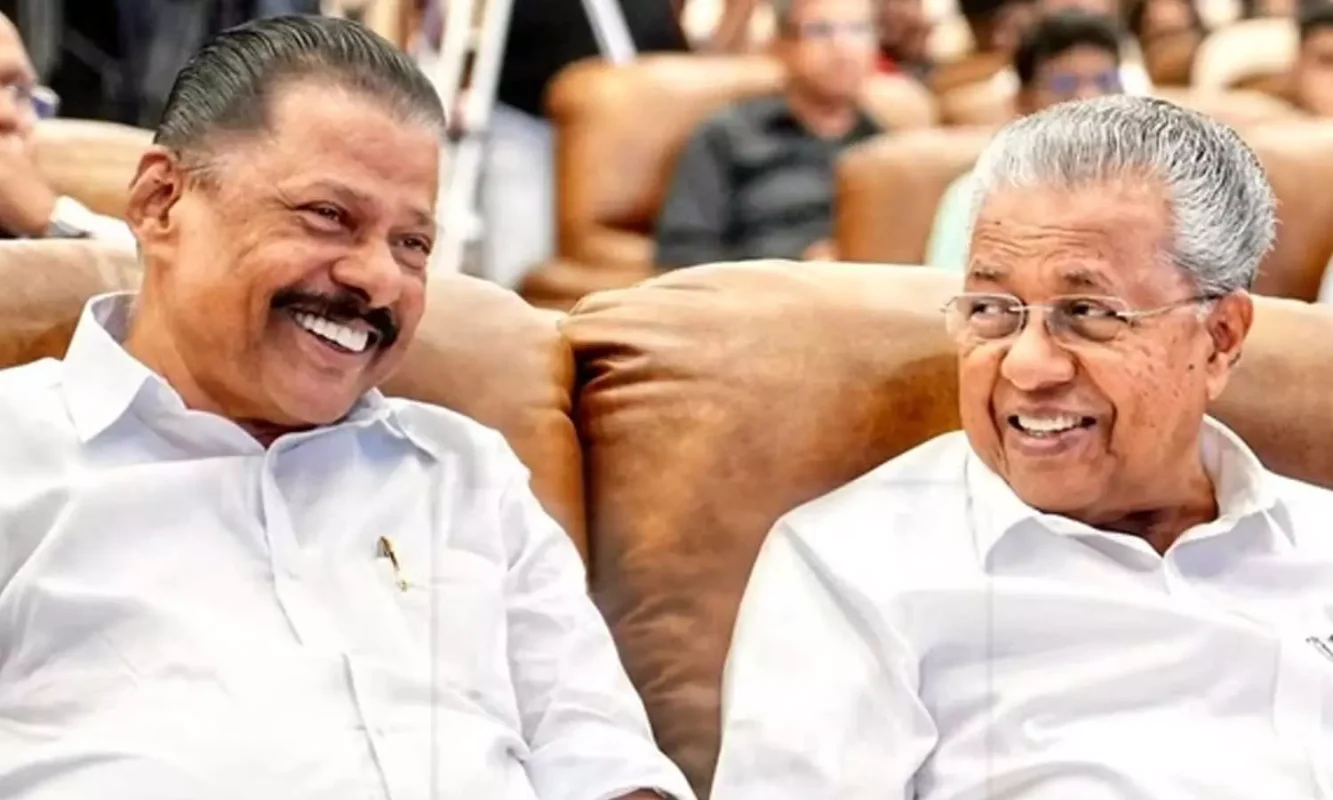
Is the CPM Central Committee Report Objective, Yet Course Correction Impossible? What Lies Ahead for the Party?
The Communist Party of India (Marxist) in Kerala is facing severe internal friction and public scrutiny following critical revelations regarding senior party leadership and the treatment of former Health Minister K.K. Shailaja. Prominent leaders—including Chief Minister Pinarayi Vijayan, State Secretary M.V. Govindan, and Minister V.N. Vasavan—are being cast in a harsh light over what many describe as a deliberate political betrayal of Shailaja, whose widespread popularity during her tenure as Health Minister had made her one of the party’s most visible faces.
Key Highlights of the Controversy:
-
The Central Committee’s Findings: The CPM Central Committee report reportedly provides an objective assessment of the party’s recent electoral performance and organizational lapses. However, political analysts note that identifying mistakes has not led to meaningful course corrections.
-
Leadership Hegemony: The central leadership appears increasingly powerless or unwilling to override decisions made by the state’s dominant faction led by Pinarayi Vijayan, making genuine reform virtually impossible within the current organizational structure.
-
Impact on Party Morale: The side-lining of popular leaders like Shailaja has alienated a significant portion of the party base and sympathizers, leading to growing discontent among rank-and-file workers.
What Next for the CPM in Kerala?
With mounting criticism over centralisation of power, political arrogance, and failure to heed organizational warnings, the CPM in Kerala stands at a critical juncture. Unless the party leadership addresses these internal fault lines and restores cadre confidence, its long-term political hegemony in the state remains under serious threat.
