

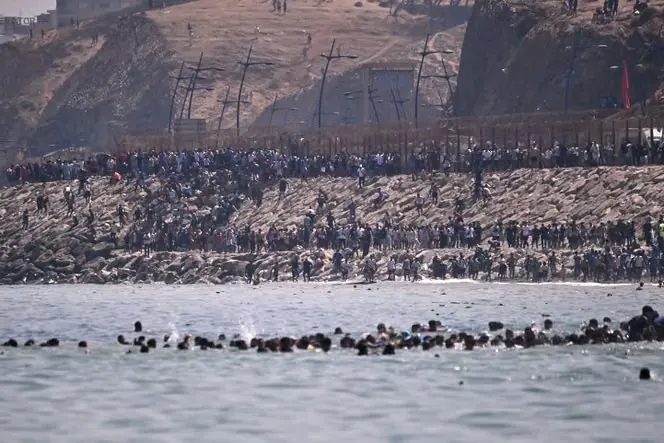
The maritime migratory routes to Spain—stretching across the Atlantic Ocean and the Mediterranean Sea—represent one of the most significant and perilous border crossings into Europe. Driven by a combination of political instability, economic stagnation, climate pressures, and armed conflicts, tens of thousands of individuals attempt this journey each year aboard wooden fishing boats (cayucos) and inflatable dinghies.
Understanding why thousands risk their lives on these waters requires examining the primary routes, the multi-layered push and pull factors, and the geopolitical landscape surrounding Western Europe’s southern border.
Primary Maritime Routes into Spain
Maritime migration into Spain primarily flows through two main corridors, each with distinct geographical risks and migrant demographics:
1. The Atlantic / Canary Islands Route (Northwest African Route)
-
Origins: Coastlines of Senegal, Mauritania, Gambia, Morocco, and Western Sahara.
-
Destinations: The Canary Islands archipelago (El Hierro, Tenerife, Gran Canaria).
-
Key Characteristics: Widely documented by international bodies as one of the deadliest maritime routes in the world. Migrants navigate hundreds of nautical miles across the open Atlantic Ocean in crowded wooden boats known as cayucos. Strong Atlantic currents, engine failures, and unpredictable weather lead to high peril and loss of life.
2. The Western Mediterranean & Balearic Route
-
Origins: Coastal regions of Morocco and Algeria.
-
Destinations: Mainland Spain (Andalusia, Murcia), the Balearic Islands, and the autonomous cities of Ceuta and Melilla.
-
Key Characteristics: Shorter geographical distances across the Strait of Gibraltar or Alboran Sea, often utilizing high-speed inflatable boats or smaller vessels.
The Push Factors: Why Thousands Leave
The choice to embark on a life-threatening ocean voyage is rarely undertaken lightly. Mixed Migration Centre (MMC) and International Organization for Migration (IOM) studies highlight several overlapping drivers forcing individuals from their home regions:
                       ┌──────────────────────────────┐
                       │    DRIVERS OF MIGRATION      │
                       └──────────────┬───────────────┘
                                      │
         ┌────────────────────────────┼────────────────────────────┐
         ▼                            ▼                            ▼
┌─────────────────┐          ┌─────────────────┐          ┌─────────────────┐
│ Political &     │          │ Economic        │          │ Environmental   │
│ Conflict        │          │ Distress        │          │ & Social        │
│                 │          │                 │          │                 │
│ • Armed unrest  │          │ • High youth    │          │ • Droughts &    │
│   in Sahel      │          │   unemployment  │          │   crop failures │
│ • Persecution & │          │ • Collapse of   │          │ • Gender-based  │
│   instability   │          │   local fisheries│         │   violence      │
└─────────────────┘          └─────────────────┘          └─────────────────┘
Conflict, Insecurity, and Violence
-
Sahelian Instability: Protracted conflict and insurgency across the Sahel region (Mali, Burkina Faso, Niger) have displaced millions, forcing many toward coastal West Africa before attempting the sea passage.
-
Persecution: Thousands of asylum seekers cite targeted political persecution, ethnic violence, or severe discrimination based on identity or gender.
Economic Collapse and Depleted Livelihoods
-
Depletion of Local Marine Resources: In countries like Senegal and Mauritania, commercial overfishing by distant-water fleets has crippled local artisanal fishing communities, stripping young fishermen of their primary livelihood and leaving them with boats but no economic future.
-
Youth Unemployment: Sub-Saharan Africa and North Africa feature rapidly growing youth populations facing high structural unemployment and minimal local wage growth.
Climate Vulnerability
-
Prolonged droughts, desertification, and changing rainfall patterns across the Sahel and West Africa have severely degraded agricultural productivity, rendering traditional farming non-viable for millions.
Pull Factors and Strategic Determinants
While severe conditions drive people from home, specific factors draw migrants specifically toward Spain and Europe:
| Factor | Mechanism |
| Lack of Legal Pathways | Over 40% of surveyed migrants report that irregular sea travel was their only realistic avenue due to strict European visa restrictions and limited consular access. |
| Labor Demand | Spain’s agricultural, tourism, construction, and care service sectors rely heavily on migrant labor, offering informal employment opportunities. |
| Established Diaspora Networks | Existing migrant networks across Southern Europe provide crucial financial, logistical, and social support for new arrivals. |
| Geographic Proximity | Spain serves as the physical gateway to continental Europe and the Schengen Area, making its sea borders a primary transit corridor. |
Humanitarian Challenges and Border Governance
The high volume of sea arrivals creates complex policy and humanitarian responses:
-
Maritime Search and Rescue (SAR): Spanish rescue agencies (Salvamento Marítimo) work alongside NGOs to locate and rescue vessels adrift at sea. However, delayed detection in open ocean waters often leads to catastrophic shipwrecks.
-
Reception Infrastructure: Small island communities, particularly in the Canary Islands, face immense logistical challenges receiving, housing, and processing thousands of arriving individuals.
-
Bilateral Cooperation: Spain and the European Union rely heavily on diplomatic and financial agreements with transit nations—such as Morocco, Mauritania, and Senegal—to enhance coast guard patrols and curb departures at the source.
