

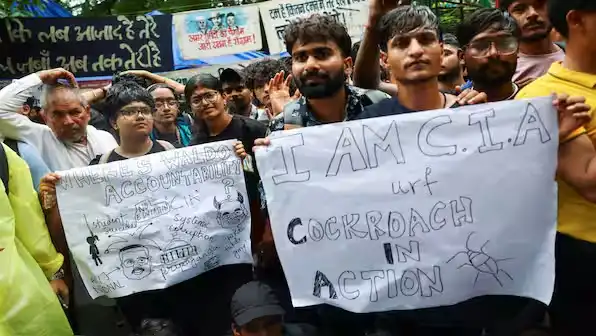
The major agitation led by the CJP (Citizens for Justice and Peace), which impacted New Delhi and several other states, has taken a dramatic turn following revelations by the Delhi Police and crucial directives from the Supreme Court.
1. Delhi Police Reveal Criminal Presence
Through advanced scientific investigation techniques—including AI-based Facial Recognition System (FRS) and extensive CCTV surveillance—the Delhi Police identified 2,873 individuals with criminal backgrounds who participated in the protests. Police are currently carrying out a comprehensive investigation to determine if these individuals were directly involved in the large-scale violence and clashes reported across Delhi and surrounding regions.
2. CJP Threatens Resume of Protests & Alleges Targeted Police Action
In response to ongoing developments, representatives of the CJP warned that they would strongly resume their protests if the understanding reached with the Central Government is not fully honored.
Key points raised by CJP representatives include:
-
Targeted Arrests: CJP expressed deep concern over the continuous arrest of students from states like Assam, West Bengal, and Bihar, even after the temporary suspension of protests.
-
Allegations of Bias: CJP Legal Spokesperson Ratna Singh alleged that the police are deliberately targeting members of a specific religious community, citing instances such as the arrest of a lawyer in Assam who took part in the protest.
-
Legal Support & Website Launch: Chief Spokesperson Sourav Das announced the launch of a dedicated website to document police excesses with evidence. Senior Advocate Kapil Sibal is leading the legal initiative to ensure free legal assistance for all peaceful protesters and challenge police arbitrariness in court.
3. Supreme Court Directives and Intervention
The Supreme Court of India intervened to oversee the matter, providing key guidelines through a bench comprising Chief Justice Surya Kant, Justice Joymalya Bagchi, and Justice V. Mohana:
-
Independent Investigation: The Court stressed the need for an impartial, transparent, and comprehensive probe into the violence during student protests across Delhi and other states.
-
Release of Minors: The Supreme Court strictly ordered the immediate release of all minors detained in connection with the protests.
-
Protection of Students: The court directed the government and police to refrain from using harsh force against student protesters and forbidden the public disclosure of their personal details.
-
No Immunity for Criminals: The Court explicitly clarified that this interim protection will not apply to individuals with prior criminal records or anti-social backgrounds.
-
Notice to States: To ensure accountability regarding violence against both protesters and police personnel, the Supreme Court issued notices seeking responses from the Central Government as well as the Chief Secretaries of Delhi, Maharashtra, Bihar, Assam, Kerala, West Bengal, Madhya Pradesh, and Uttar Pradesh.
