

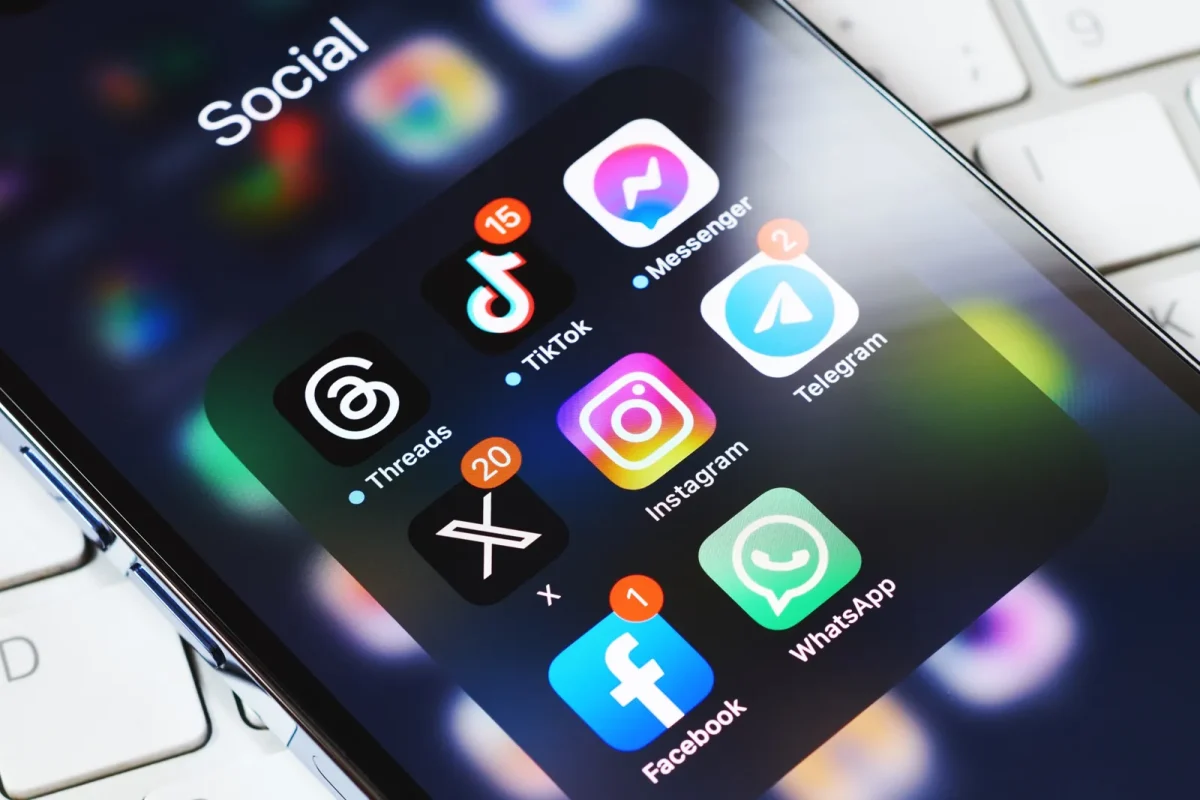
New Delhi: In recent years, Delhi has repeatedly emerged as the focal point of some of India’s most significant public protests. Whether the demonstrations were driven by students, farmers, job aspirants, civil society organisations, or citizens demanding policy changes, the capital has remained the country’s political stage where public opinion meets governmental authority. Alongside these protests, social media has evolved into one of the most influential tools for organising movements, spreading information, shaping narratives, and influencing public discourse.
Social Media: The New Public Square
Platforms such as X (formerly Twitter), Instagram, Facebook, YouTube, and WhatsApp have fundamentally changed how protests are organised. Instead of relying solely on traditional media or physical meetings, organisers now use social media to announce gathering points, share live updates, circulate videos, and mobilise supporters within minutes.
Hashtags often become rallying points, allowing thousands of users across India and abroad to follow developments in real time. Live streaming from protest sites gives viewers direct access to events without waiting for television broadcasts or newspaper reports.
Citizen Journalism on the Rise
One of the defining characteristics of modern Delhi protests has been the rise of citizen journalism. Protesters armed with smartphones document events as they unfold, capturing speeches, police actions, crowd reactions, and eyewitness accounts.
This constant flow of user-generated content has reduced the monopoly of traditional news outlets over breaking news. Videos recorded by ordinary citizens frequently become national talking points, influencing public debates and prompting official responses.
The Power—and Risks—of Viral Content
While social media enables rapid information sharing, it also presents significant challenges. Images and videos taken out of context, edited clips, and unverified claims can spread quickly, often reaching millions before fact-checkers or authorities can verify their authenticity.
During major protests, misinformation can intensify tensions, create confusion, and influence public perception. Experts consistently advise users to verify information through multiple credible sources before sharing sensitive content.
Shaping Public Opinion
Social media has become a battleground for competing narratives. Supporters and critics of a protest often present contrasting interpretations of the same event, using hashtags, graphics, videos, and opinion posts to influence public sentiment.
Government agencies, political parties, activists, journalists, and independent content creators all participate in this digital conversation, making online discourse almost as influential as events taking place on the streets.
Increased Government Monitoring
As digital platforms have gained influence, governments and law enforcement agencies have increasingly monitored online activity related to public demonstrations. Authorities often analyse publicly available posts to understand crowd mobilisation, identify emerging trends, and respond to rapidly evolving situations.
At the same time, debates continue over the balance between public safety, freedom of expression, privacy, and the responsible use of surveillance technologies in democratic societies.
The Role of Traditional Media
Television channels and newspapers increasingly rely on social media content to supplement their reporting. Viral videos, eyewitness footage, and online reactions frequently become part of mainstream news coverage. This integration has accelerated the news cycle, making real-time reporting more immediate than ever before.
Looking Ahead
Delhi’s protests demonstrate that political activism is no longer confined to streets and public squares. The digital sphere has become an equally important arena where opinions are formed, movements are organised, and governments are scrutinised.
While social media has strengthened democratic participation by giving citizens a powerful voice, it has also highlighted the need for responsible digital behaviour. The future of public discourse will depend not only on the right to express opinions but also on the ability of citizens, institutions, and technology platforms to promote accurate information, encourage constructive dialogue, and uphold democratic values.
